The UK is officially Europe’s innovation capital when it comes to food and drink. According to Circana, new product launches contribute more to sales in the UK than in any other major European market. If you’re looking to launch a food and drink brand, the opportunity is huge, but so is the competition. Every week, consumers are faced with a fresh wave of new products vying for a spot in their basket. The ones that win aren’t necessarily the best products. They’re the ones that have cleverly captured shoppers’ attention.
That’s where PR comes in. Integrated agency support creates the repeated moments of exposure that build awareness, interest and ultimately desire to try a product. If your brand is MIA from news headlines, nowhere to be seen on TikTok, absent in real-world moments and completely divorced from the cultural zeitgeist, that translates to your product collecting dust on supermarket shelves.
Launching a food and drink brand requires more than a great product. Successful brands combine a compelling story, easy access to trial, strong distribution and integrated PR support. By using media relations, influencer marketing, social content and experiential activity together, brands can build awareness, increase demand and drive long-term sales growth.
How does PR help when launching a new food and drink product?
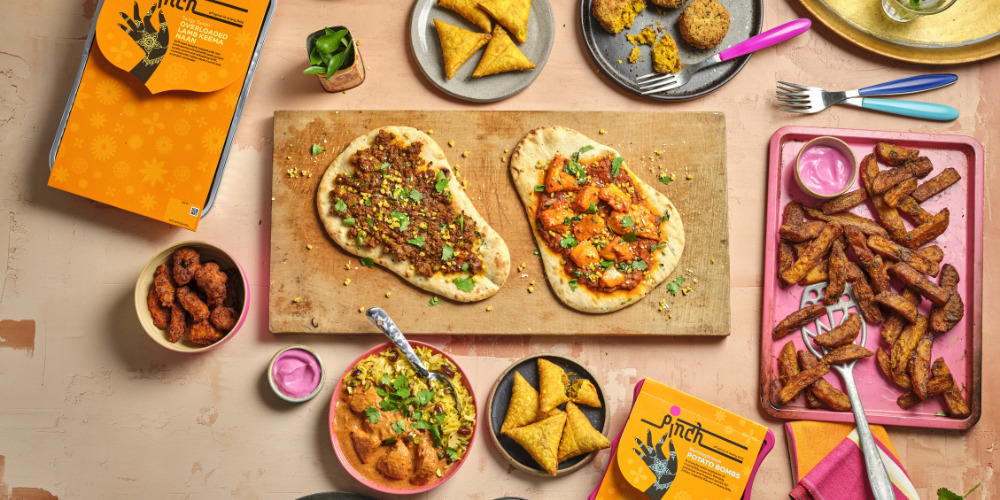
In a nutshell, PR makes you visible. When it comes to food and drink, visibility means cravings, and cravings mean purchases.
PR puts your product in the places where conversations happen. One day a consumer will spot your brand new product in a headline generated by a clever stunt. The next, they see someone organically feature it on Instagram. A few days later, a friend mentions it.
The collective impact of this is that your launch feels current, desirable and worth seeking out. That’s the power of multi-channel endorsement.
What are the most important elements for a successful launch?
Brands that successfully launch a food and drink brand strategy don’t rely on product quality alone. They build a story, create demand and make it easy for consumers to buy. Miss any one of those ingredients and momentum becomes much harder to build.
1. Have a story
“This is new” isn’t enough. A PR agency can help build creative scaffolding around the product you’re launching, to ensure it triggers some kind of emotional response amongst consumers.
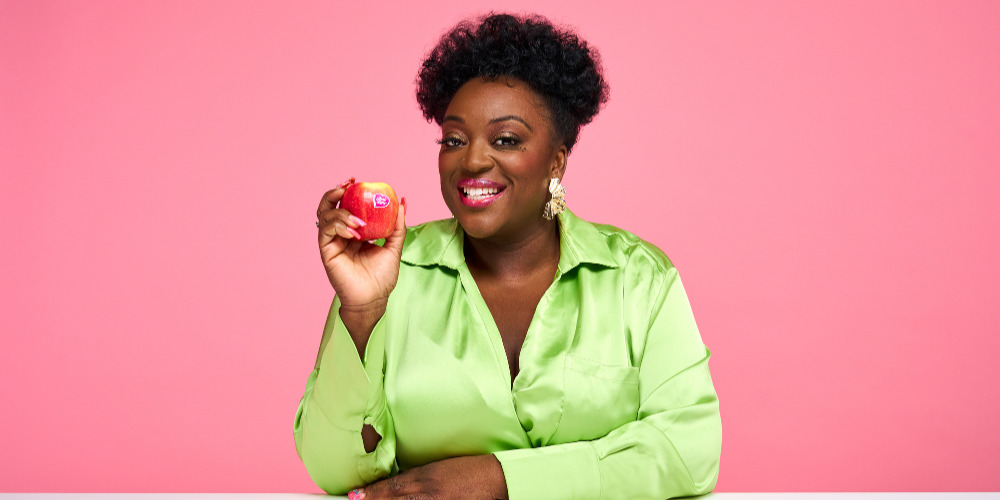
One example: for Pink Lady, we went beyond simple product placement and crafted a campaign around office etiquette, asking questions like: “Is it socially acceptable to bite into an apple at your desk?” or “Will my boss judge me for eating with my hands on my lunch hour?”
2. Ensure people can get their hands on it
Whether this means physically bringing your product to the masses through a sampling pop-up or simply ensuring you have sufficient coverage from a blend of retail listings and direct-to-consumer – it’s important to be sure your audience can easily try the product in question. Creating the buzz for a new food or drink product is all about triggering the thought: “I need to try that”. So you have to be confident that consumers can easily act on that impulse; otherwise, your PR efforts will fall at the most important hurdle.
3. Make it talkable
Chatter is the currency of food and drink launches: conversation makes your news travel. Make it limited edition, tie NPD into a cultural trend, broker collaborations with other brands or organisations, host clever cross-over events, explore a brand new format or polarise opinion with an off-the-wall flavour profile.
For example, we positioned BERO at the intersection of sport, wellness and lifestyle with the BERO Padel Classic – tapping into one of the UK’s most on-trend sporting activities. The result: search queries increased by 5,000% following the event.
What marketing channels should be in the mix for a food and drink launch?
Choosing the right channel mix is critical when you launch a food and drink brand in a crowded marketplace. There is no silver bullet channel. The most effective launches create multiple routes into the same conversation.
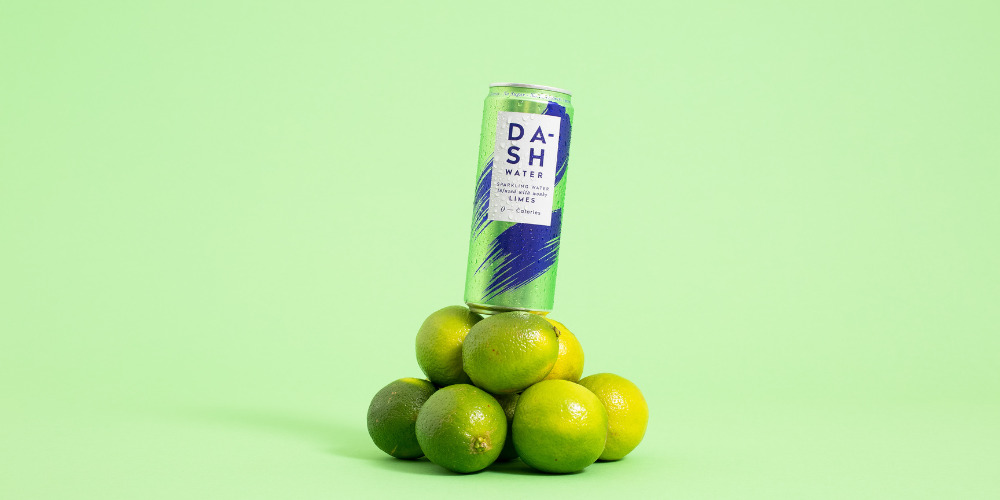
Traditional media remains hugely valuable because it provides third-party endorsement. Press coverage gives a new launch credibility that owned channels can’t replicate, as well as feeding into all-important online visibility. When we supported the launch of DASH Lime, the earned coverage we generated reached a potential audience of 66.2 million and contributed to a 60% increase in DASH’s online store sessions within a month.
Social media creators have been proven to drive direct sales: data from Sprout Social shows that in the past year, 67% of consumers have made a purchase directly because of an influencer’s recommendation. The most effective influencer activity doesn’t feel like advertising; instead, it focuses on authentic trial and real, unfiltered reactions.
Experiential activity is hugely valuable to drive trial. Unlike many categories, food and drink products can be experienced in an instant. Putting your product into people’s hands is very effective in winning repeat customers (because the proof is, quite literally, in the pudding).
Social content keeps the chatter going. Social can be home to a steady drumbeat of content to maintain visibility rather than letting the excitement fizzle out.
The real magic happens when all of these channels work together.
What are the most common mistakes food and drink brands make when they launch?

Many businesses launch great products every year, but few successfully launch a food and drink brand that achieves long-term awareness and sales growth. The biggest mistake of all is assuming a great product will speak for itself.
Even the best-tasting products can flop if they haven’t captured the public’s attention, which is why investing in PR support is a vital ingredient.
3 of the most common mistakes amongst food and drink brands include:
- Launching into a vacuum: Too many brands expect consumers to stumble across them organically. If you’re absent from media coverage, social feeds and real-world experiences, you’re relying on chance. Great products don’t automatically get discovered.
- Making it too difficult to try: Few things are more frustrating than creating demand without creating access. If people can’t easily find, buy or sample your product after seeing it, all that hard-earned momentum goes to waste.
- Playing it too safe: Food and drink is one of the most crowded categories in the world. Being universally liked is often less effective than being memorable. The launches that cut through usually give people something to discuss, debate, photograph or share.
How do you know if a PR campaign is working?
A PR campaign is working if it’s changing behaviour. Are more people searching for your brand? Talking about it? Trying it? Stocking it? Recommending it? Those signals matter far more than coverage volume alone.
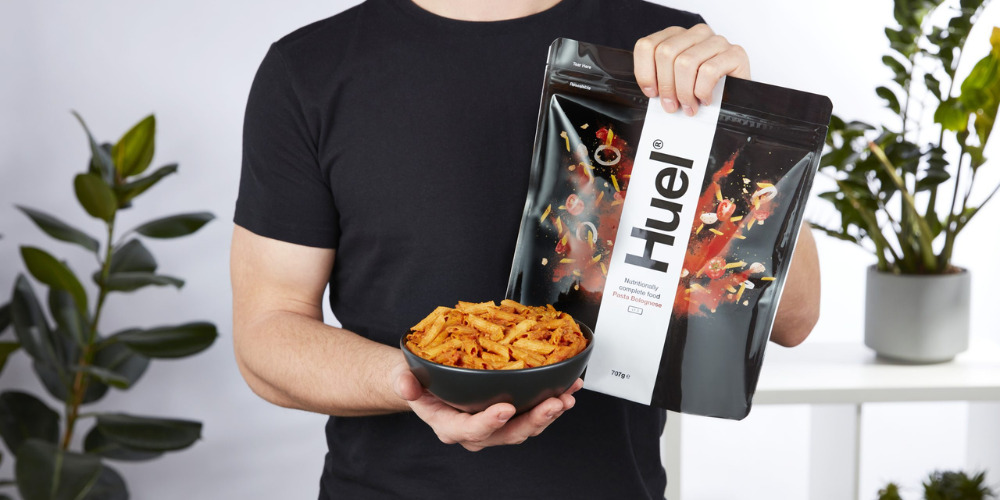
These are indicators of commercial impact – showing all-important return on investment. For example, our work with Huel combined media relations, influencer engagement and creative campaign moments to challenge misconceptions around the brand. The result was a 22% increase in organic website traffic, 35% growth in backlinks and 43% annual revenue growth.
The ultimate sign of a successful food and drink PR campaign is when people start marketing the product for you. If consumers are actively searching for it, talking about it, recommending it and seeking it out on shelves, PR has moved beyond awareness and started driving demand.
More from us
If you’re preparing to launch a food and drink brand, PR should never be treated as an optional extra. The reality is that consumers rarely discover a new product through a single channel. They might read about it in the press, see a creator using it on TikTok, hear about it from a friend and then finally spot it in-store.
The right combination of media relations, influencer engagement, experiential activity and social content can help turn a new product into a recognised brand that consumers actively seek out. At PHA, we are an award-winning integrated FMCG PR agency, helping food and drink brands build awareness, drive trial and generate meaningful commercial impact.
Our team combines PR, influencer marketing, social media, experiential campaigns and creative strategy to create the repeated moments of visibility that turn new products into recognised brands.
Continue reading to learn more about PHA and the trends shaping FMCG marketing:
Whether you’re launching a challenger brand, entering a new category or bringing your latest NPD to market, our team can help you create the awareness and demand needed to stand out in a crowded sector. Get in touch today at hello@thephagroup.com to find out more.