Advertising and the World Cup go hand in hand. Wherever you look, it’s there. It’s often easier to spot than the ball itself. Millions are spent by companies fighting for the top spots at the stadiums, but is it worth it? Are fans paying notice?
We need to start by investigating the stance of a brand. Typically, there are two advertising themes that are seen during this time: hopeful and reactive ads. Hopeful ads are usually big budget, explicit allegiance – that is, until England are knocked out. Reactive ads, on the other hand, are lower budget, and anchored to a specific game, moment, player, or person.
Is one side better than the other? Let’s dive in.
Hopeful World Cup advertising: Ads that feed national optimism
I’m truly of the mind that adverts help to sustain morale in the country during the World Cup.
Us Brits are not known for being the most optimistic – can you blame us? It rains all the time, and we haven’t won a men’s World Cup since 1966. Yet with every progression we let our hope climb, and by the quarter-final even the adverts are addressing the potential of a win. Welcome sustenance for a nation that’s hungry for a win.
An ad that satiated me was an OOH done by The National Lottery, captured below.

It took me a minute to realise that this was a World Cup-themed advert because it was so exceptionally fitting, for both football and the lottery – a double meaning so apt it almost feels inevitable.
Lotto’s classic crossed finger logo creates a V shape that slots perfectly into the word ‘Believe’, transcending a moment they already owned. Brilliant – hope is a currency, and theirs is well spent. It’s a great example of how effective advertising and the World Cup can be when a brand finds a natural connection to the tournament.
For me, they also raise an important question – does it make sense for all brands to show up when it comes to the World Cup? The Lotto ad made so much sense; is there an angle for everyone?
Well, if you’re müller Corner, there are multiple.
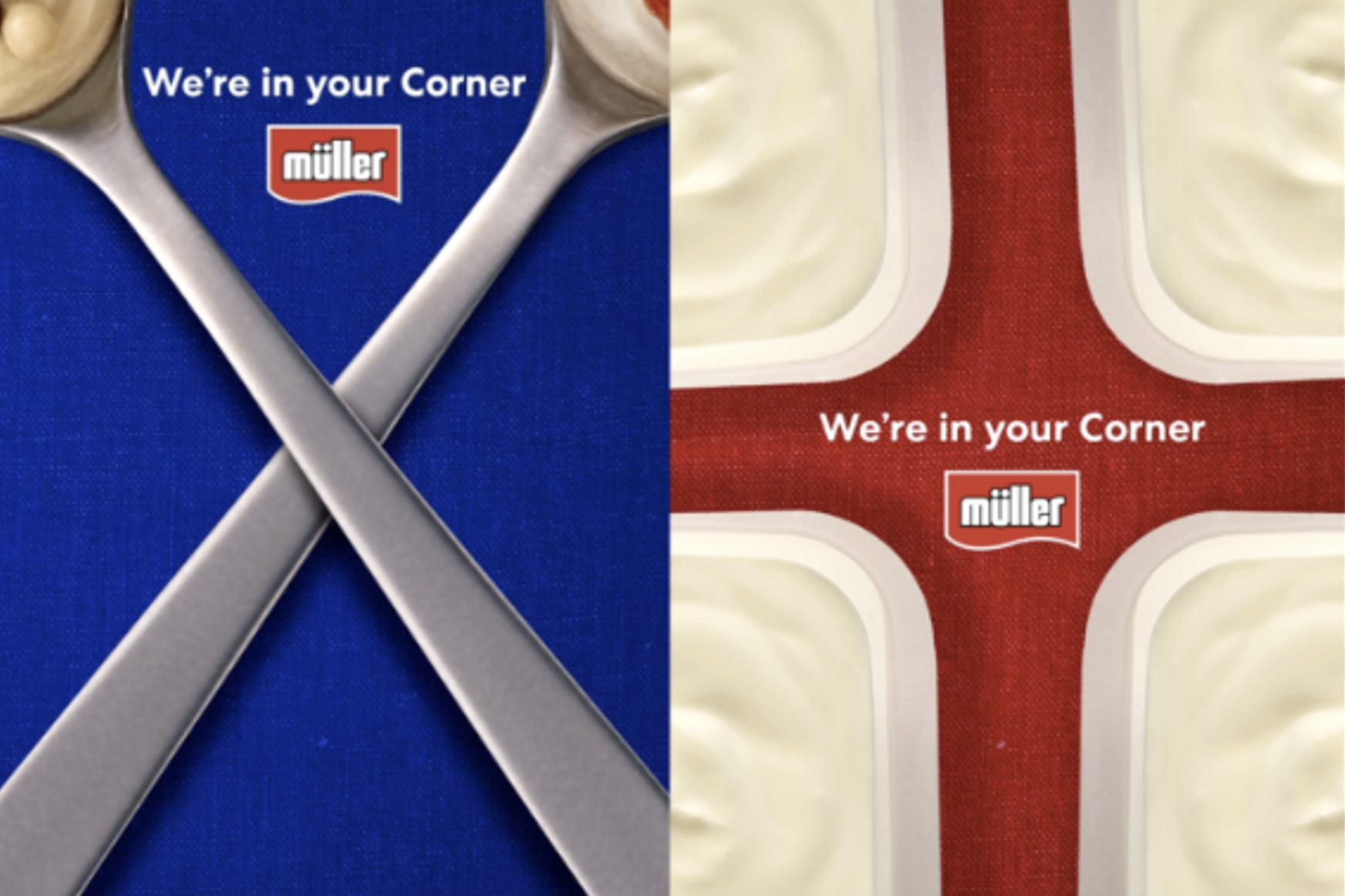
Credit: VCCP agency
But it doesn’t work for everyone. If budgets are tight, don’t join a conversation just because it’s happening. Hopeful campaigns centred around winning age very badly if things go wrong for England.
Reactive campaigns tend to have a bit more wiggle room, and honestly, more traction.
Reactive banter or best unsaid?
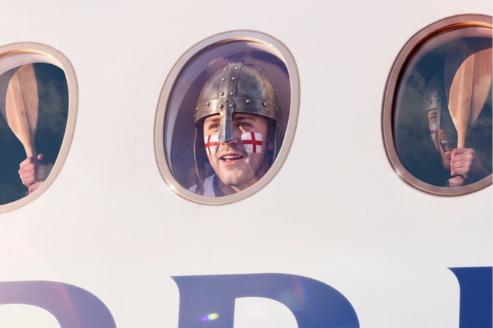
Erling Haaland wasn’t the only Norwegian social superstar this month. Norwegian Air are due some credit too.
In the run-up to the quarter-final, Norwegian Air proposed a cheeky 24-hour profile picture swap with British Airways, who were quick to clap back with “don’t make bets you can’t win”. The two then entered a social media ‘spat’ which gained a lot of online attention.
Sure enough, after England won, Norwegian Air stuck to their word and changed their profile picture for 24 hours and posted, “it’s coming home”. The post got over 1M likes and successfully caught the eyes of other major airlines and customers.
Such traction is frustrating for brands that pay $250 million plus and don’t receive as much attention. But social media is a gamble as virality is hard to predict; cheaper isn’t always better.
For example, Boots did a fantastic ad with clever wordplay for an anti-frizz serum promotion: “See, you can tame messy”. But it wasn’t seen by anyone. Snapped digitally and likely uploaded by someone in the industry.

That’s the problem with reactive ads: you often have to go searching for them. Many more eyes will be on the bigger budget ads, simply because they’re more visible. Reactive ads are mainly a conversation starter for the industry.
How a brand approaches the World Cup ultimately comes down to two things: their objectives, and their budget. Ultimately, success in advertising and the World Cup isn’t determined by spend alone, but by relevance, timing and creative execution.
What makes World Cup advertising successful?
If you want guaranteed eyeballs, you have to spend. But attention isn’t the same as impact. The campaigns people remember aren’t the ones with the biggest media buys; they’re the ones that find the smartest angle and join the conversation at exactly the right moment.
Hopeful campaigns still have their place. When they work, they become part of the nation’s optimism. But they’re also fragile. One bad result and yesterday’s rallying cry becomes tomorrow’s aged creative.
Reactive campaigns don’t have that problem. They’re nimble, they reward speed and personality, and when they land, they can generate the kind of attention that money simply can’t buy.
But I get it, the World Cup is binary. So, if you want a clear winner, think about which ad from this article you’ll still remember tomorrow. That’ll give you your answer.
More from us
The World Cup presents a unique challenge for brands. Whether you’re investing in a major sponsorship, launching a creative campaign, or trying to capitalise on a cultural moment in real time, success rarely comes down to budget alone. The brands that cut through are the ones that combine cultural insight, creativity and strategic communications to earn attention when it matters most.
If you’d like to explore related topics, these may be of interest:
- How brands can show up authentically at the 2026 World Cup
- The questions you should be asking your creative marketing agency
At PHA, we’re an award-winning PR and creative communications agency that helps brands find their place in the conversations that matter. From brand strategy and creative campaigns to press office, social media and influencer engagement, we work with organisations to create impactful communications that drive awareness, engagement and commercial results.
Whether you’re looking to maximise a major sponsorship opportunity, react to cultural moments in a meaningful way, or develop standout creative that earns attention beyond paid media, our team can help.
If you’d like to discuss your brand, campaign or communications objectives, we’d be happy to help. Get in touch with our team of specialists today at hello@thephagroup.com.