George Rathbone, Account Director at The PHA Group, recently explored the challenges facing broadcasters ahead of the 2026 FIFA World Cup in an article Broadcast Now. As audiences shift towards second screens, digital consumption and more fragmented viewing habits, broadcasters are being pushed to rethink how they capture and retain attention.
But the same pressures don’t just apply to broadcasters. For brands looking to tap into the 2026 World Cup – particularly those without official partnership rights – the challenge is similar: how to show up in a crowded, fast-moving environment in a way that feels relevant, rather than forced.
As George notes in the article, coverage of the 2026 tournament “will live just as much on second screens as it does on TV.” For brands, this is a reflection of how people will actually experience the tournament – across social feeds, group chats and short-form content, often at the same time as watching the match itself.
That shift creates opportunity. But only for brands that understand where they genuinely fit.
Where brands can credibly show up around the World Cup without sponsorship rights
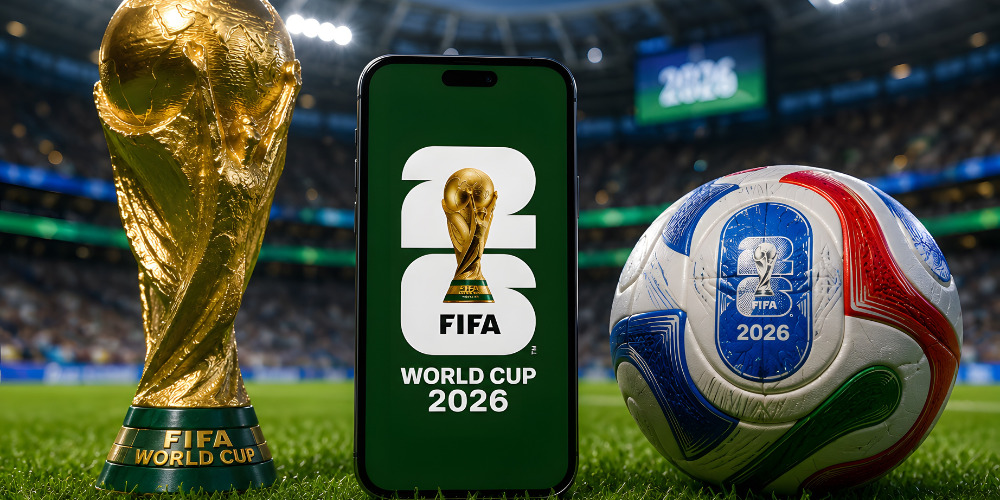
The biggest mistake brands make around moments like the World Cup is trying to connect directly to the sport, rather than the experience around it.
For some categories, that connection is built in. Food, drink and retail brands can naturally sit within match-day rituals by leaning into shared experiences of what people are eating or drinking while they watch, or the conversations taking place.
For others, the role is less obvious, but no less real. The key is identifying where your brand intersects with how audiences are living the tournament.
That might mean a beauty brand focusing on how its audience gets ready for a big game or a social viewing moment. A fashion brand leaning into fan identity and expression. A tech or platform brand exploring how people are watching, sharing and reacting across multiple screens.
The strength of these ideas isn’t scale, but believability. They work because they reflect behaviour that already exists.
How can brands build campaigns around at-home World Cup viewing behaviour?

With ticket prices and travel costs pricing many fans out, the defining experience of the 2026 World Cup will be watching from home. That changes where brands have permission to play.
Instead of trying to insert themselves into the match itself, the stronger opportunity lies in the environment around it. The sofa, the group chat, the pre-match build-up and post-match reaction are consistent, repeatable moments that happen around every fixture.
Brands that anchor themselves here can create content and campaigns that feel natural. That might be as simple as showing how their product fits into match-day routines, or building ideas around hosting, comfort, or shared viewing habits.
It doesn’t need to be over-engineered. In fact, the more it reflects real behaviour, the more effective it tends to be.
How should brands approach real-time marketing during the World Cup?

The World Cup will generate a constant stream of reactive content. Every goal, decision and moment of controversy will trigger an immediate response across social. But most of it will look the same.
Reacting just for the sake of being present rarely cuts through. Speed matters, but perspective matters more. Without a clear point of view, reactive posts fade quickly into the background.
The brands that succeed tend to be selective. They don’t try to respond to everything but focus on moments where they can add something that feels true to their tone and audience. That might be humour rooted in their category, or a more considered take that aligns with their positioning. Just as importantly, they’re comfortable holding back when there isn’t a natural angle.
Balancing personality with control in real-time campaigns
The pace and visibility of the tournament mean small missteps can escalate quickly. A single poorly judged post can travel further than anything planned. This makes clarity upfront critical. Brands need a strong sense of their voice, clear internal alignment, and simple guardrails around what they will and won’t engage with.
When that’s in place, teams can act quickly without second-guessing, responding in real time, but still in a way that feels consistent and considered.
Without it, real-time activity can quickly become reactive in the wrong sense, chasing moments rather than contributing to them.
Choosing the right ambassadors for World Cup campaigns
The role of talent becomes even more important during a global moment like the World Cup, where audiences are more engaged – and more discerning – than usual. Whether brands are working with players, pundits, influencers or creators, the choice of ambassador needs to feel credible.
It’s often immediately clear when a partnership exists purely for commercial reasons. And during a tournament of this scale, that disconnect becomes even more visible. Content can feel forced, messaging can fall flat, and audiences are less likely to engage with something that doesn’t align with how they already see that individual.
The most effective partnerships are those where there is a natural fit between brand and talent. That might come from shared values, existing audience overlap, or simply a believable connection to the role the brand is playing around the tournament. When that alignment is right, the content feels more authentic, more engaging, and ultimately more impactful.
Read George’s full article on the challenges for broadcasters at the 2026 World Cup.
More from us
At The PHA Group, we work with brands across sport, consumer and lifestyle sectors to turn major cultural moments into meaningful opportunities for engagement, helping businesses show up in ways that feel authentic, timely and commercially effective.
Our specialist Sport & Fitness team combines integrated expertise to support brands navigating fast-moving moments like the 2026 World Cup, where attention is high, but relevance is hard-won.
We act as an extension of your team, identifying the right role for your brand, shaping narratives that resonate with your audience, and executing activities that connect in the moments that matter most.
To explore more of our thinking or to see how we’ve helped sports brands show up credibly at scale, read more:
If you’re considering how your brand can engage audiences around the 2026 World Cup or other sporting events, start the conversation and get in touch at hello@thephagroup.com to start the conversation.