Consumer fitness trends in 2026 are rewriting the rules. Cultural attitudes toward health, technology and community are shifting faster than most brands can keep up. The old playbook – youth-centric imagery, performance-first messaging, and one-size-fits-all classes – won’t cut it anymore.
Older adults are redefining what ‘active’ looks like, AI is turning recovery into a competitive edge, community-driven formats are replacing solo grind culture, and pressure is being rejected in favour of balance and joy.
For fitness brands, these shifts are signals. The question is: how do you respond before your audience moves on without you?
Here are our top consumer fitness trends in 2026 that will matter most to brands in this space, and why they’ll shape the next wave of growth.
Longevity Fitness & the Rise of the 55+ Active Consumer
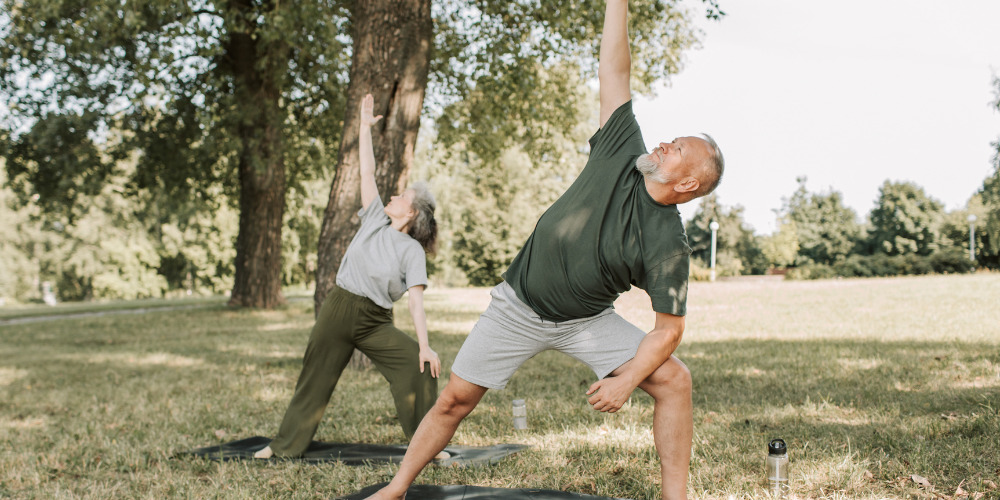
The fitness industry has long been youth-centric, but that era is ending. Sport England data shows adults aged 55+ are more active than ever, reaching their highest levels since records began in 2015. This audience isn’t niche. They’re engaged, loyal, and growing fast. Media is catching up, with older cover stars gracing magazines and running events showcasing diverse age profiles.
For brands, this shift demands nuance. Older consumers don’t want to be made to feel ‘old’. They want to feel capable, relevant, and inspired. Campaigns built around ripped aesthetics or short-term transformations won’t resonate here. Instead, storytelling should celebrate consistency, capability, and the benefits of long-term health.
This is where integrated thinking matters. Reframing narratives around lifelong movement, creating inclusive creative platforms, and spotlighting credible voices can help brands connect authentically. The conversation has shifted from age to ability, because fitness now means living well, not just looking young.
AI-Driven Fitness Guidance
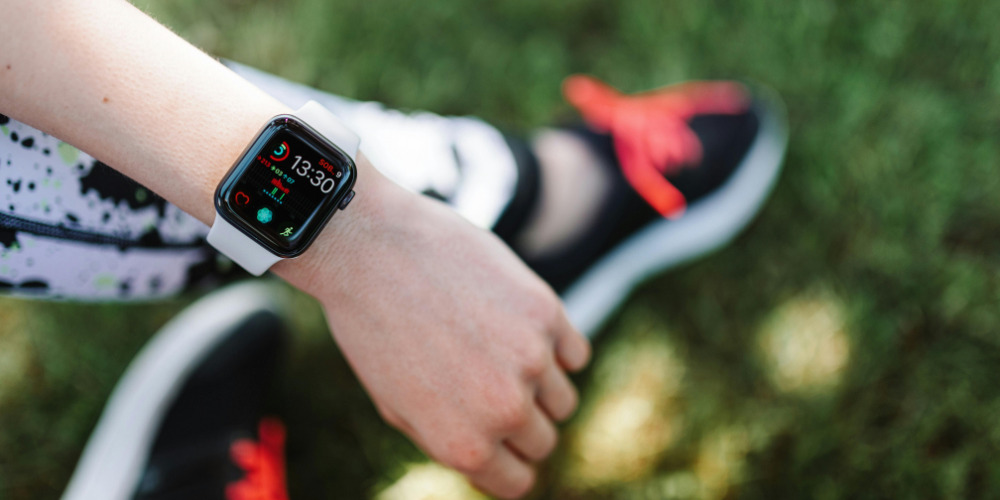
AI in fitness is evolving fast. What started as novelty workouts is now intelligent training guidance. Wearables and apps increasingly integrate biometric data – sleep, recovery, strain – to tell users when to push, when to rest, and how to rotate training. Recovery is no longer an afterthought; it’s becoming as important as exertion.
This trend raises the bar for brands. Fitness is shifting from performance-driven to personalised and preventative. But complexity can be a barrier. Consumers trust data-led advice when it’s clear and human, not when it feels intimidating or overly technical.
The opportunity? Own the ‘listen to your body’ space. Position AI as a differentiator for smarter, healthier training, not harder training. Education will be critical. Translating complex metrics into simple, actionable insights is where brands can win. And when those insights connect to cultural movements like JOMO, the story becomes even stronger.
JOMO and Slower, Self-Led Fitness
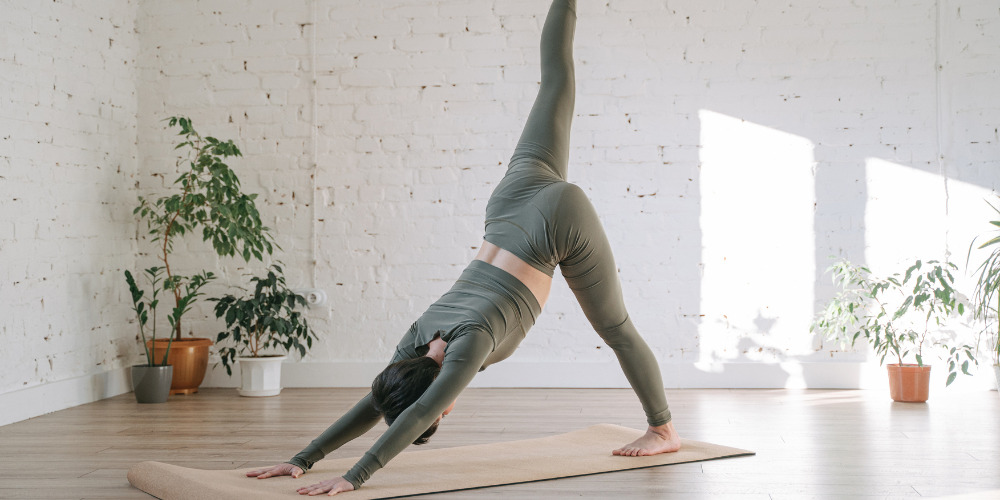
The Joy of Missing Out is now a fitness mindset. Consumers are rejecting comparison-driven culture and constant optimisation. Pressure-heavy January campaigns are out; balance and sustainability are in. Recovery and rest have cultural value, and people want permission to opt out without guilt.
For brands, this is an opportunity to lead with empathy. Messaging should feel reassuring, not preachy. Products and services that promote balance and longevity will build trust and loyalty. Slow formats such as mobility sessions, breathwork, and recovery lounges are gaining traction, especially when paired with data-led insights that make rest feel intentional, not passive.
Connecting JOMO with AI-guided recovery creates a joined-up story that speaks to both cultural and technological shifts. It creates an experience that makes balance feel aspirational, not a compromise.
Mini Group Personal Training: The Sweet Spot Between Solo and Social
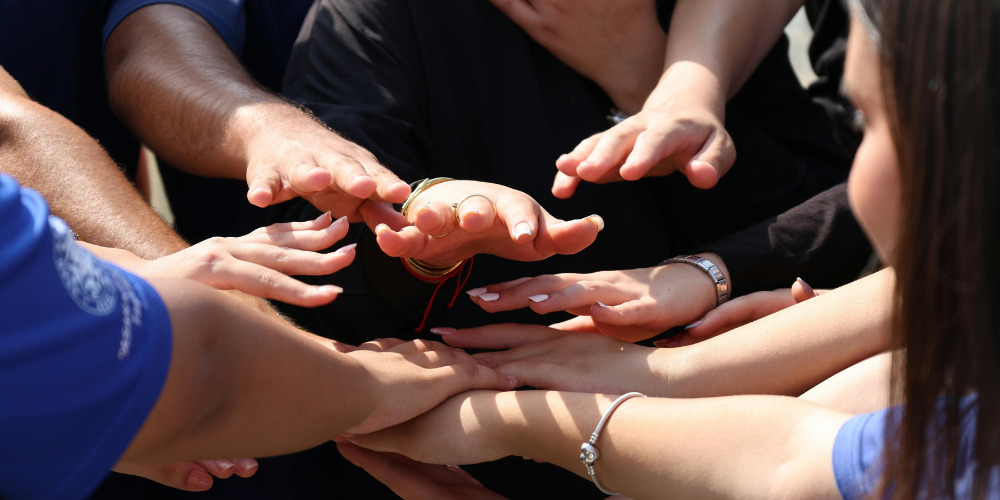
Mini group personal training – three to five people, one coach – is emerging as one of the most compelling formats for 2026. It’s intimate enough for tailored attention, yet social enough to feel like a team sport. And crucially, it’s more affordable than 1:1 training, which matters in a cost-conscious climate. This isn’t just a pricing play; it’s cultural. People want connection as much as they want results. They want someone to notice when they show up, and someone to miss them when they don’t. Mini groups deliver that accountability without the intimidation of a big class or the isolation of solo training.
For brands, the opportunity is to own the social narrative. Position your space as a hub for shared progress, not just a room full of equipment. Show the real dynamics: the high-fives, the collective groans during the last set, the laughter that makes people come back. When you turn those moments into content, you’re not just marketing, you’re storytelling.
It’s about creating moments that feel real, then amplifying them in ways that spark conversation. When members share their own stories, when local influencers join the group and post the laughter and sweat, that’s when the format becomes more than a class. It becomes a community people want to belong to, and that’s the kind of advocacy needed for a fully integrated media campaign.
Community, Competition, and Suffering Together
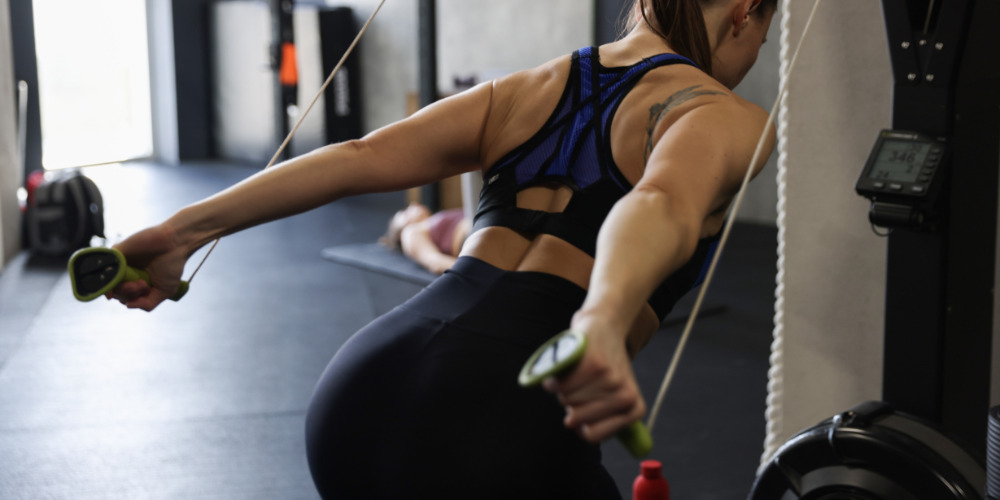
Hyrox and similar formats have exploded because they offer something people are craving: connection through challenge. These events turn fitness into a shared experience – a mix of grit, laughter, and collective effort that feels bigger than the workout itself. In a world where adult friendships are hard to forge, sweating side by side has become a new social currency.
The door is open for brands to create experiences that feel like belonging. Team entries, scaled categories, and formats that celebrate participation over perfection are gaining traction.
Brands that understand this shift will stop thinking in terms of products and start thinking in terms of experiences. That means creating formats that feel inclusive, such as scaled categories, team entries, and events that celebrate effort over perfection. And when you tell these stories, don’t polish them too much.
The real opportunity is cultural amplification. When those raw, authentic moments live beyond the event through social storytelling, grassroots content, and influencer voices, they turn a workout into a movement. That’s where relevance happens.
Why Nuance Wins for Consumer Fitness Trends in 2026
Across these trends, one theme stands out: nuance. Nuanced audiences, nuanced technology, nuanced motivations. The brands that thrive in 2026 won’t be the loudest or the most extreme. They’ll be the ones who listen, adapt, and communicate with purpose.
Strength is being redefined by older generations. Recovery is becoming a badge of progress. Workouts are turning into social lifelines. And balance is finally beating burnout. The brands that matter won’t just sell products; they’ll shape culture. That means telling stories that feel real, creating spaces people want to belong to, and making innovation human. Because in this new era, relevance isn’t bought – it’s earned.
More From Us:
Want to dive deeper into building a standout fitness brand? Explore these related reads:
- 5 Ways to Make Your Fitness Brand Stand Out
- How PR Plays a Major Role in the Growth of Fitness Brands
- How to Get Media Coverage that Drives Impact for Your Fitness Product
We’ve partnered with leading fitness brands, including Therabody, TRX, and dryrobe, to create campaigns that connect and deliver results. If you’re ready to explore a creative strategy built around these 2026 trends, get in touch with our team of specialists at hello@thephagroup.com, and we’ll get back to you within 24 hours.
About PHA
PHA is an award-winning earned-first integrated communications agency.
We believe communication can make the world a better place. It matters. But with constant disruption, fragmentation and growing complexity, earning attention and inspiring action is harder than ever. PHA is built to solve for this.
We nurture, grow and protect brands & reputations for a portfolio of consumer, corporate, technology, b2b and health clients in the UK and internationally. We bring clarity to a fast, chaotic, complex world, challenging convention and delivering fresh thinking. Our agile multi-disciplined teams create dynamic campaigns across earned, social, digital and paid media, engaging audiences wherever they are, always.
We lead with strategy and deliver a full suite of creative services and production capabilities, generating impact at every step of the audience journey from awareness through to conversion. Working as one to solve any client challenge, we bring the best of PHA to drive impact that multiplies. When unboxed minds meet unboxed ambition, communications don’t blend in – they break out.
We’re built to MAKE IT MATTER.