The food and drink landscape in 2026 is defined by a fundamental tug-of-war. Consumers want a back-to-basics approach that helps them avoid ultra-processed foods (UPFs), but they still crave convenience and bold flavour experiences. This tension sets the stage for food and drink trends in 2026, where simplicity and innovation must coexist.
To explore this shift, we attended a seminar hosted by The Food People, uncovering the forces shaping these trends and how brands can prepare for what’s next.
Back to Basics
A movement toward natural products – what Social, Cultural, and Behavioural specialist Amelia Boothman (speaker at The Food People event) calls “back to basics” – reflects consumers’ growing desire for transparency in ingredients, origins, and environmental impact. Nearly 19 million UK adults now avoid ultra-processed foods due to health concerns, and this number is expected to rise. As a result, several key micro-trends are gaining momentum:
- Return to meat and dairy: After the post-COVID surge in plant-based alternatives, consumers are reassessing their relationship with meat and dairy. Many now seek grounding, comforting flavours such as umami and fat-rich profiles. As plant-based brands struggle to sustain sales, meat and dairy have firmly returned to the spotlight.
- Convenience reimagined: Consumers no longer view convenience as a shortcut. Instead, they see it as smart innovation. They want time-saving solutions that deliver on quality and nutrition. Brands must offer convenience that feels wholesome, intentional and aligned with health-conscious values.
What this means for brands:
Consumers want to know exactly what they’re eating and want it to be easy. Brands should focus on transparency and communicate their mission, values, and source to develop campaigns that are honest and rooted in human truths.
Snackification
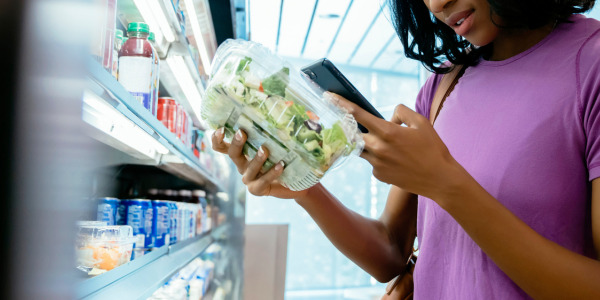
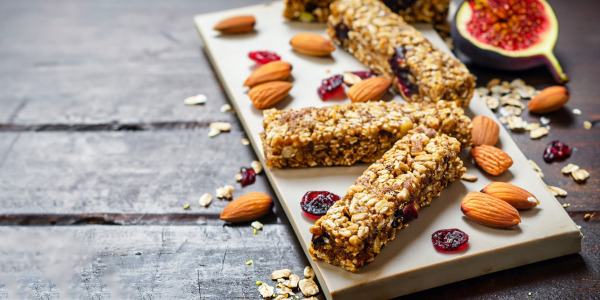
Hybrid working is here to stay, and unpredictable workdays are accelerating a shift towards more relaxed mealtimes and snackification. Remote workers favour micro-breaks over traditional mealtimes, driving demand for nutrient-dense snacks and food on the go. As a result of such flexibility, IGD predicts that there will be a higher demand for nutrient-dense snacks and food on the go in 2026.
Plus, there is a rise in the number of consumers on GLP-1 medications, which suppresses appetite. Smaller portions and high-quality sustenance are becoming essential.
What this means for brands
GLP1s and snackification are not just passing trends. Brands can innovate by transforming beloved products into portable snacks – think grab-and-go soups, micro-meal pots, or ready-to-eat protein packs. These options cater to busy lifestyles while meeting nutritional needs.
More flavour!
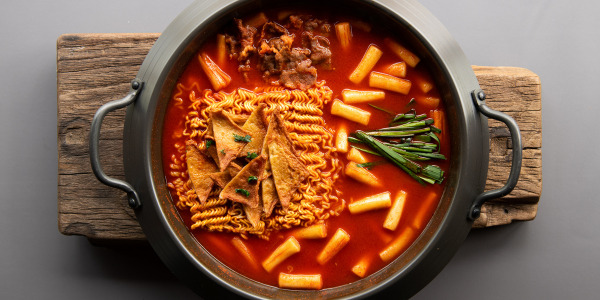
Globally inspired dishes are on the rise, and social media is home to cultural exchanges. Gen Z in particular say 35% of the food they choose to eat is directly influenced by social media (Synergy). A major trend that’s expected to get even bigger in 2026 is Korean culture, specifically ingredients like Gochujang and foods like tteokbokki.
Likely because of growing K-culture interest, some consumers are beginning to experiment with the hybridisation of common staples, such as swalty (sweet & salty), and swicy (sweet and spicy). With comfort foods becoming more like daily staples, it’s predicted that many will be eager to try variations of their much-loved classics to switch things up.
What this means for brands
Consider developing some interesting – perhaps unusual at first glance – flavour combinations. Younger consumers are particularly interested in experimenting, and standout flavours are earned media magnets.
The 2026 food & drink brand mandate
2026 is the year consumers demand food that is both trusted and exciting. Success for brands hinges on three directives.
- Transparency is the benchmark when it comes to ingredients and value.
- Consider convenience – but make sure it’s nutrient-dense.
- Harness the global hunger for adventure and look to social media for the next big trend.
More From Us
Looking for more insights on what’s shaping the food and drink industry? Explore these related reads:
- When it comes to repositioning a brand, Guinness leads the way
- Throwback food is making a nostalgic comeback
- How alcohol-free brands are raising the bar in the drinks category
Or, take a look at some of the work our talented team of food & drink specialists has previously done, such as delivering 2.7m impressions for Pinch when we launched their restaurant-quality Indian meals in tesco, or when we helped DASH steal the limelight and boost online sales with viral stunts and national media coverage.
Ready to take your food & drink brand to the next level? Get in touch with our experts at hello@thephagroup.com and we’ll get back to you within 24 hours.
About PHA
PHA is an award-winning earned-first integrated communications agency.
We believe communication can make the world a better place. It matters. But with constant disruption, fragmentation and growing complexity, earning attention and inspiring action is harder than ever. PHA is built to solve for this.
We nurture, grow and protect brands & reputations for a portfolio of consumer, corporate, technology, b2b and health clients in the UK and internationally. We bring clarity to a fast, chaotic, complex world, challenging convention and delivering fresh thinking. Our agile multi-disciplined teams create dynamic campaigns across earned, social, digital and paid media, engaging audiences wherever they are, always.
We lead with strategy and deliver a full suite of creative services and production capabilities, generating impact at every step of the audience journey from awareness through to conversion. Working as one to solve any client challenge, we bring the best of PHA to drive impact that multiplies. When unboxed minds meet unboxed ambition, communications don’t blend in – they break out.
We’re built to MAKE IT MATTER.