The Olympic Games remain one of the most powerful global stages for storytelling, cultural moments, and brand exposure across the global network. With the Milan Winter Olympics taking place from 6–22 February 2026, brands are once again preparing to show up on the world stage. But as Olympic brand campaign become more competitive, visibility alone is no longer enough. The most successful campaigns today aren’t defined by sponsorship size or media spend, but by how well they integrate into culture, respond to real moments, and reflect the values of the Games themselves.
From real-world brand examples to practical strategic principles, this blog explores how brands can move beyond exposure and build Olympic campaigns that audiences actually remember. You’ll understand:
- How Olympics brand campaigns drive higher value than traditional campaigns, including why the Games deliver unmatched emotional impact, trust, and global reach.
- The four core principles behind effective Olympic marketing: standing out, being responsive, learning from past Games, and leaning into nation and identity.
- Which types of brands benefit most from activating around the Olympics, and how sectors from mass‑market FMCG to finance, travel, wellness and sustainability can authentically connect with audiences.
- What successful Summer and Winter Olympics campaigns look like in practice, using real examples from Visa, Decathlon, Coca‑Cola, and Toyota to show how brands can create memorable, culturally rooted campaigns.
Why Olympic brand campaigns can be the opportunity of a lifetime
The Olympics offer something no other global event can: a rare blend of scale, trust, and emotional investment. And this emotional context is exactly why Olympic brand campaigns continue to grow in value. According to the Olympic Marketing Fact File, revenue generated through the TOP Programme (including brands such as Visa, Samsung, Airbnb, P&G, Coca‑Cola, Allianz, and Toyota) increased by 32.5% between the 2021–2024 cycle compared to 2017–2020.
This growth reflects the shift in how brands approach Olympic marketing versus other campaigns. They place less focus on pure exposure, and more emphasis on experience, storytelling, and cultural integration.
The changing face of Olympic marketing
Thinking outside the box is becoming demanding and being able to own a campaign and dominate conversations along the way is becoming even more challenging. Traditional broadcast-heavy Olympic advertising is no longer enough. Consumers now experience the Games across social platforms, creator content, real-world campaigns, and community-led moments.
As a result, successful Olympic brand campaigns tend to share four core principles:
-
Stand out
Brands must find a distinctive angle, whether through unexpected formats, niche sports, or creative storytelling. The goal isn’t volume, but memorability.
-
Be responsive
The Olympic environment moves fast. Brands that can react in real time, responding to viral moments, athlete stories, or cultural shifts, are far more likely to dominate conversation.
-
Learn from the past
The most effective campaigns build on what has worked before, particularly campaigns that aligned closely with the Olympic ethos rather than forcing commercial messages.
-
Lean into nation and identity
National pride is central to the Olympics, and brand campaigns that spotlight athletes, communities, or shared national moments resonate far more deeply than generic global messaging.
When these principles are woven together with the Olympic values of Excellence, Respect, and Friendship, brand campaigns feel authentic rather than intrusive.
Which brands benefit the most from Olympics brand campaigns?
One of the strengths of the Olympic Games – both Summer and Winter – is their versatility. Almost any sector can find relevance if the campaign is executed thoughtfully.
- Mass Market brands (food and beverage, personal care, healthcare) – brands within these sectors benefit from sheer reach, delivering exposure to all demographics.
- Sportswear and Lifestyle brands (apparel, footwear, athleisure) – the Olympics thrive off performance and discipline around the competition which a portion of viewers are hooked in by.
- Nutrition and Wellness (supplements, recovery, fitness tech) – naturally, the games spark conversations around physical health and the mentality to ‘staying on track,’ a theme that isn’t forced and feels authentic.
- Financial Services (banks, insurance providers, payment platforms) – brands in the financial sector are a huge part in making mass events such as the Olympic Games happen successfully from ticket sales to sponsorship payments.
- Travel and hospitality (airlines, hotels, booking platforms) – The Olympic games bring movement across the globe from travelling to attend the games itself or travelling to the host city to explore culture.
- Sustainability (clean energy, ethical fashion) – The Olympic games and the connection with brands are built on the foundation of aligning across diversity, inclusion and being environmentally responsible.
Brand campaign at the Summer Olympics
The Summer Olympics offer an unmatched global audience, with over 11,000 athletes from 200+ countries participating, ideal for brands targeting a mass market.
The exposure across the summer games allows brands to reach a new breadth of audience demographics, tapping into the real cultural moments, the communities, and the relevant noise around the games.
Visa ‘street art installation’ – Paris 2024 Olympics
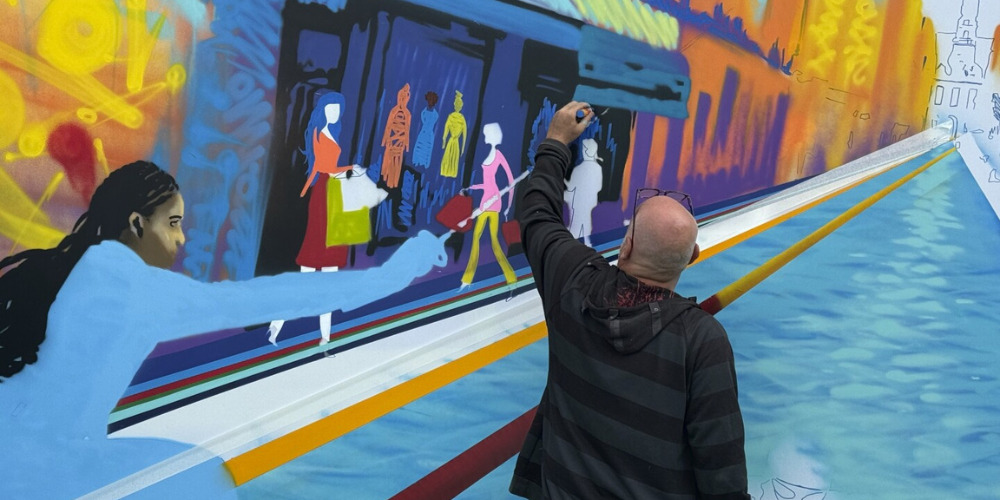
The Paris 2024 Olympics saw Visa invest in street art across Paris instead of running heavy broadcast ads and following the traditional advertising pathway. 1.2 billion impressions later, driven by organic social sharing, tourism, and cultural relevance, Visa proved that physical activations can outperform conventional media when executed well.
Decathlon ‘Volunteer uniforms’ – Paris 2024 Olympics
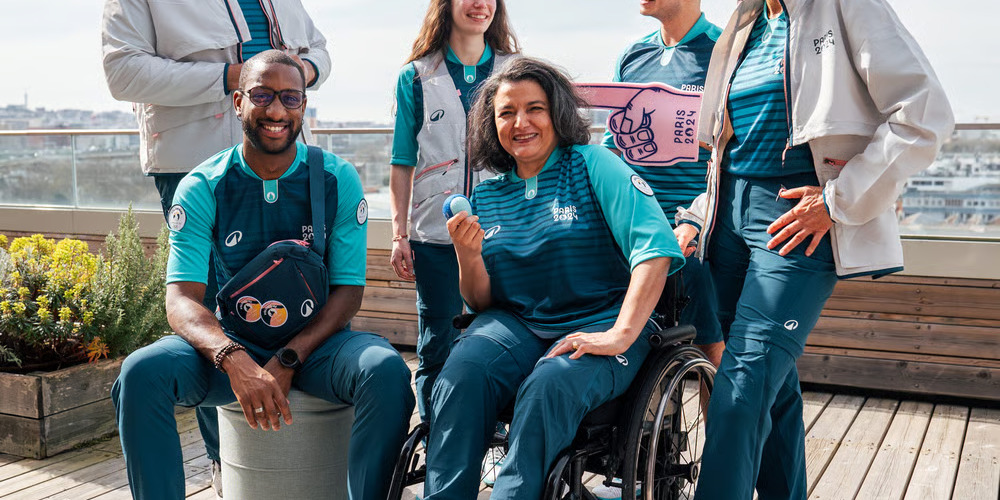
Decathlon sponsored volunteer uniforms at the Paris 2024 Games, embedding the brand directly into the operational heart of the event. This approach strengthened community connection and created natural storytelling moments tied to participation, not promotion.
Brand campaigns at the Winter Olympics
The Winter Olympics operate on a smaller but more focused scale, with particularly strong audiences across Europe, North America, and East Asia, regions with some of the world’s highest consumer spending power.
This creates a different opportunity: fewer brands, deeper engagement, and more space to own the narrative.
Winter Olympics brand campaigns work best when they lean into emotion, creativity, and shared values rather than spectacle alone.
Coca Cola’s ‘Bottle Throwing’ – Beijing 2022 Olympics
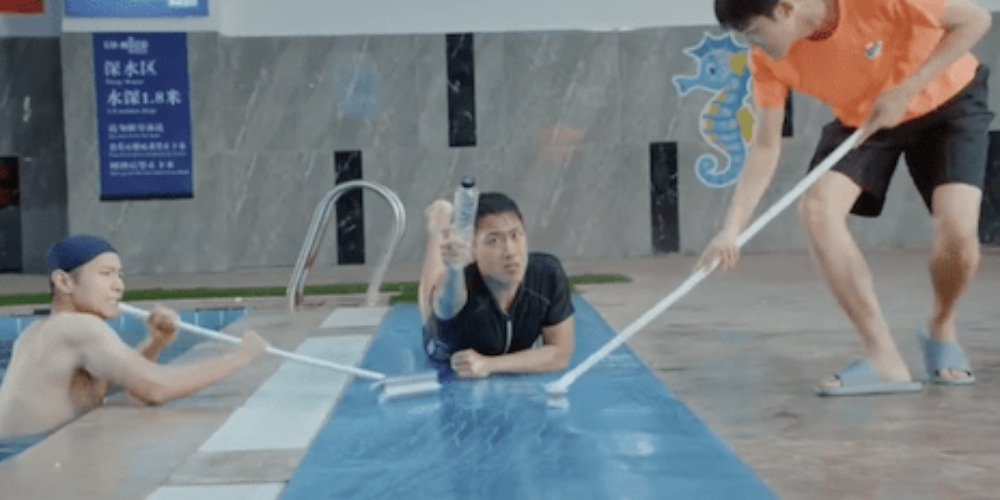
The Beijing Winter Olympics saw Coca Cola launch a light-hearted sustainability campaign showing people “competing” in winter sports by throwing used bottles into recycling bins.
The campaigns cleverly linked Olympic sport with environmental responsibility, earning positive sentiment and reinforcing Coca‑Cola’s sustainability messaging without feeling preachy.
Toyota ‘Start Your Impossible’ – Beijing 2022 Olympics, Paris 2024 Olympics
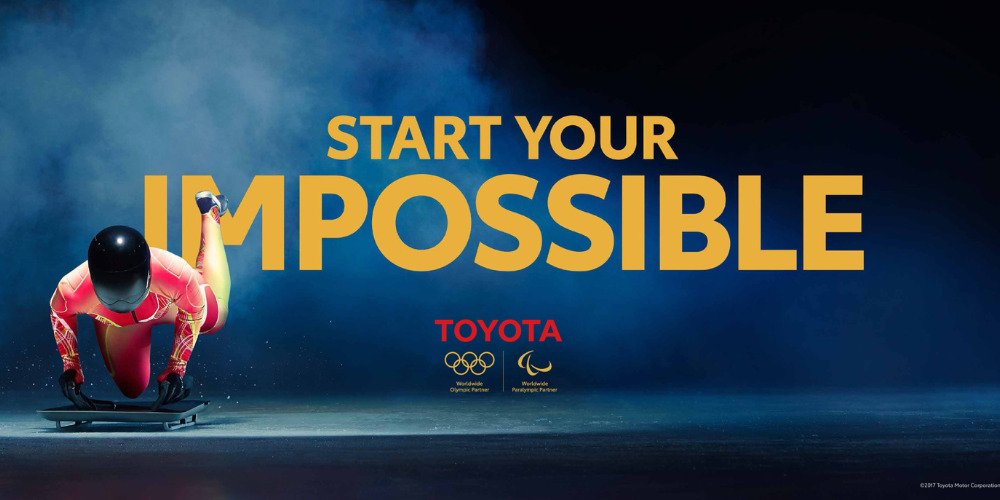
Toyota’s long-running Olympic platform focuses on mobility, inclusion, and human potential. At Beijing 2022 – and later extended into Paris 2024 – the campaign shifted toward local communities supporting athletes, reinforcing Toyota’s purpose beyond vehicles.
What brands should focus on moving forward
Across the Summer and Winter Olympics, brands must consider where they’re being placed, and what the consumer is after. Instead of ‘brand exposure’ or ‘impressions’, think ’entertaining’ and ‘inspiring’.
The most effective Olympic brand campaigns prioritise being entertaining, emotionally relevant, culturally contextual, and human-first.
The Olympic Games continue to grow at pace. The IOC’s Paris 2024 report showed that 84% of the potential global audience engaged with the Games, social engagement rose by 25% compared to Tokyo 2020, and 70% of viewers consumed both televised and social coverage.
Audiences are growing, and competition is intensifying, but the future belongs to the brands that inspire rather than interrupt, reflect culture, not chase attention, and understand that the most powerful marketing moments often feel nothing like marketing at all.
More from us:
At PHA, we help brands unlock new audiences and show up in the moments that matter, from global sporting events to cultural milestones. Our work spans strategy, storytelling and earned‑first campaigns, ensuring brands cut through when the world is watching. We previously supported British Gymnastics to elevate athlete stories and brand presence ahead of the Paris 2024 Olympics, and worked with DAZN to drive global visibility around the FIFA Club World Cup.
If you’re interested in how we support brands across sport and major events, you might also like:
If you’re planning your next major campaign and want it to land with impact, our team of experts would love to talk. Start the conversation and get in touch at hello@thephagroup.com.